How to Structure a Training Session for Athletes
How to Structure a Training Session for Athletes - Lewis Physical Therapy & Sports Rehabilitation
When it comes to strength and conditioning for baseball players, one of the most overlooked variables is how the training session itself is structured.
Most athletes focus on what exercises they’re doing, but the order in which those exercises are performed can have a major impact on performance, power output, and injury risk.
If you structure a training session correctly, you can maximize speed, strength, and power while minimizing fatigue and injury risk.
As a former Major League Baseball physical therapist, this is the framework I commonly use when programming training sessions for high school athletes.
🎥 Watch the Video Breakdown
In this video, I walk through how to structure a complete training session for athletes and why the order of exercises matters.
Watch on Youtube here:
Start with a Dynamic Warm-Up
Every training session should begin with a dynamic warm-up designed to prepare the body for high-intensity activity.
This may include:
• Light jogging or movement prep
• Lunges and reaching drills
• Hamstring sweeps
• RDL patterns
• Sprint mechanics drills like A-skips and B-skips
The goal is to increase body temperature, activate key muscle groups, and prepare the nervous system for explosive movement.
Perform Sprint Work Early
If the workout includes sprinting or conditioning, it should occur early in the training session.
Sprint training requires:
• Maximum effort
• High neuromuscular output
• Proper mechanics
If you wait until the end of a workout when the body is fatigued, the risk of injury to soft tissue strucures (i.e. quad and hamstrings) increases and sprint quality decreases.
Follow with Plyometrics and Explosive Work
After sprint work, the next priority is power development.
This can include:
• Broad jumps
• Box jumps
• Explosive Medicine ball throws
These exercises require high CNS (central nervous system) involvement and train the body to produce force quickly, which is essential for athletic performance.
Move Into Compound Strength Lifts
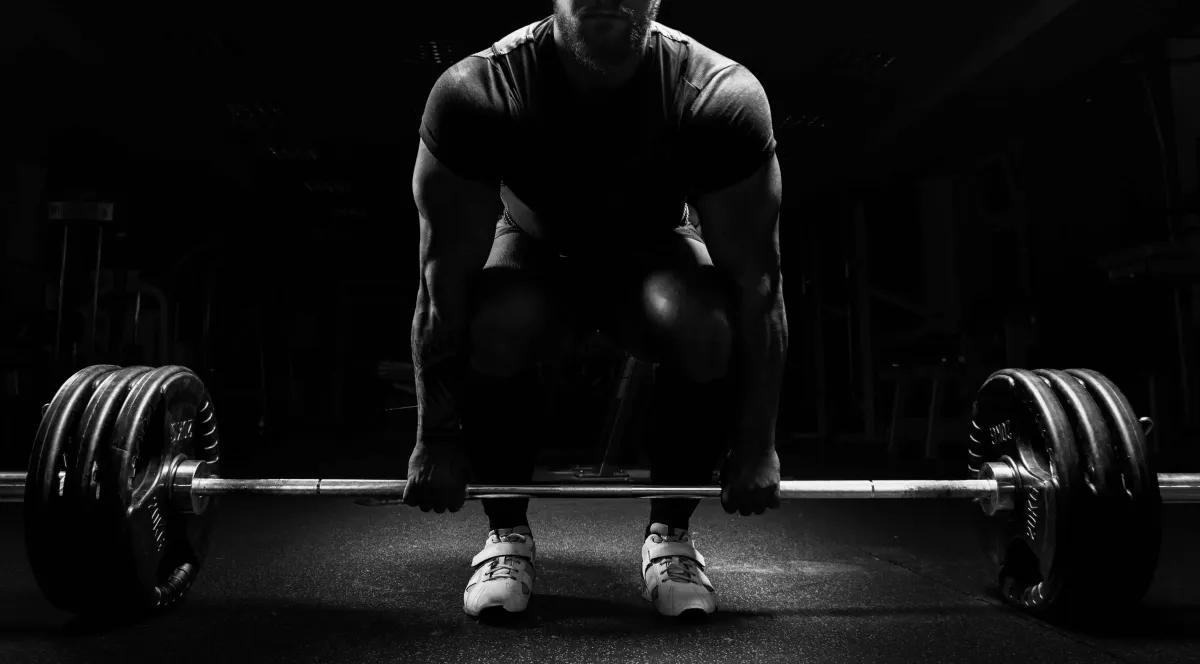
Once explosive work is complete, athletes can transition into main compound lifts.
Examples include:
• Squats
• Deadlifts
• Bench press
• Olympic lifts
• Landmine presses
These exercises allow athletes to develop high levels of strength and force production.
Of note, you can follow a compound lift up with a plyometric movement to create a potentiation-effect for greater power output.
Add Accessory Strength Work
Accessory exercises target smaller muscle groups and help address weaknesses.
Examples may include:
• Single-leg work
• Core training
• Glute strengthening
• Upper back development
• Groin strengthening
Typically, accessory work includes 3–5 exercises depending on the training program.
Finish with Recovery Work
The final part of the session should focus on recovery and restoration.
This might include:
• Light aerobic work
• Mobility drills
• Soft tissue work
• Recovery boots
These methods help promote recovery and prepare the body for the next training session.
Training Structure Matters
There is no single perfect program for every athlete.
However, understanding how to structure a training session properly can help athletes get stronger, faster, and more resilient.
When training sessions are organized correctly, athletes can maximize performance while reducing the risk of injury.
📅 Ready to Throw Pain-Free?
If shoulder pain or elbow pain is limiting your performance, there’s a better path forward.
Download the FREE Arm Pain Blueprint and learn the exact framework I use to help pitchers get back to throwing pain-free.
👉 https://app.dptpreneur.com/v2/preview/4J7IWRe36z3WAeFeGxmv
⚾ Pitcher’s Mechanical Blueprint (FREE GUIDE)
Break down the mechanical checkpoints that reduce arm stress and improve velocity.
👉 https://go.dptpreneur.com/widget/form/n11cl2tkQwwi9BfjnWpz
🎙 Listen to This Episode on The Lewis Physical Therapy & Sports Rehab Podcast
Catch the full breakdown of how to structure strength training sessions for athletes and baseball players.
🎧 Listen on Spotify:
https://open.spotify.com/show/4A6iBs0CzkAwSu9rUVPfGX?si=lrea2AaWQSy5USIT90KXhQ
