How to Structure Training for Athletes Using a High-Low Model
How to Structure Training for Athletes Using a High-Low Model – Lewis Physical Therapy & Sports Rehabilitation
If you’re a baseball player or athlete who feels constantly fatigued, not recovering well, or not seeing the performance gains you expect…
It might be because your training is poorly organized.
One of the most common mistakes I see is athletes stacking:
sprinting
jumping
med ball work
heavy lifting
…all into the same week (or worse, on back to back days) with no real structure.
On paper, it looks like a great program.
In reality, it creates fatigue that kills performance, slows progress, and increases injury risk.
What you’ll learn in this blog
What the high-low training model is
Why stacking high-intensity work back-to-back hurts performance
What qualifies as high vs low intensity training
Why the “middle zone” is a problem for athletes
How to structure your week for better recovery and performance
🎥 Watch the YouTube Video
In this video, I break down how we organize training stressors for athletes so they can improve speed, power, and strength without constantly feeling run down.
Watch on Youtube here:
What Is the High-Low Training Model?
The high-low model is a simple but powerful way to organize training:
👉 High-intensity days = neurologically demanding work
👉 Low-intensity days = recovery + lower output work
Instead of spreading stress randomly across the week, you consolidate it.
This allows your body to:
fully adapt
recover properly
perform better on high-output days
What Counts as High-Intensity Training?
High-intensity work is activties that places a large demand on the nervous system.
This includes:
Sprinting (90%+ effort)
Explosive med ball throws
Max-effort jumps
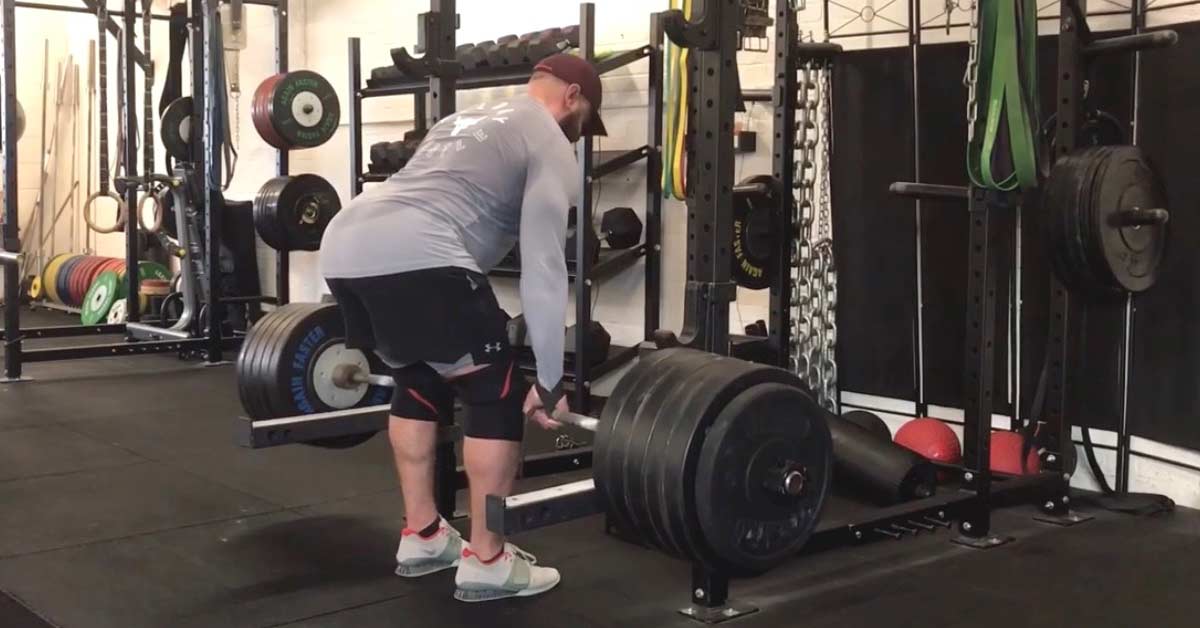
Heavy strength training (especially max strength work)
These are the elements that actually drive:
speed & strength development
power output
performance gains
⚠️ The key: these stressors require ~48 hours of recovery before repeating effectively.
Why Most Athletes Struggle: Poor Stress Organization
A lot of athletes do this instead:
Sprint one day
Lift heavy the next, sprint again
Add conditioning on top of it
Every day becomes a moderate-to-high stress day.
The result?
Constant fatigue
Poor recovery
Decreased performance output
Increased injury risk
The Problem With the “Middle Zone”
This is one of the biggest mistakes in training.
The “middle zone” is:
not easy enough to promote recovery
not intense enough to improve speed or power
Examples:
moderate effort running (75-85%)
random conditioning circuits
workouts that feel hard but lack intent
➡️ You end up accumulating fatigue without real adaptation.
For baseball players and speed-based athletes, this is a major problem.
What to Do on Low-Intensity Days
Low days are not about doing nothing — they’re about doing the right things.
Examples include:
Tempo runs (lower intensity running)
Aerobic work (bike, pool, light circuits)
Extensive med ball work (lower output)
Extensive jumps (submax effort)
Bodyweight circuits
The goal is to:
promote recovery
maintain movement quality
build aerobic capacity
NOT to create more fatigue.
Example Weekly Training Structure
A simple high-low setup might look like:
Monday: High (accelerations, MB throws/jumps, lift)
Tuesday: Low (tempo, aerobic work)
Wednesday: High (max velocity sprints, lift)
Thursday: Low
Friday: High (accelerations, MB throws/jumps, lift)
Saturday: Low / recovery
Sunday: Off
This allows:
proper spacing of high-intensity work
better recovery between sessions
higher quality outputs on training days
Why This Needs to Be Individualized
Not every athlete responds the same way.
For example:
A deconditioned athlete may find even low days challenging
Some athletes tolerate sprinting well but struggle with jumps
Others may fatigue more from lifting than speed work
That’s why programming should always be:
👉 tailored to the athlete
👉 adjusted based on response
The Biggest Takeaway
Training is a means to an end.
The goal is not to:
feel exhausted
win the workout
stack as much as possible
The goal is to:
👉 perform better on the field
👉 stay healthy
👉 recover effectively
If your training is interfering with those things…
…it’s time to change how it’s structured.
🗓 Ready to Get Throw Pain-Free? Book Your Evaluation Today
If shoulder pain, elbow pain, or nagging injuries are slowing you down, there’s a proven path forward.
👉 Book your evaluation here: https://go.dptpreneur.com/widget/form/zt52az6nu2DnPG0S4SyG
🎙 Listen to This Topic on The Lewis Physical Therapy & Sports Rehab Podcast
Dive deeper into how smarter training structure improves performance and reduces injury risk.
🎧 Listen on Spotify:
https://open.spotify.com/show/4A6iBs0CzkAwSu9rUVPfGX?si=lrea2AaWQSy5USIT90KXhQ
📘 The Arm Pain Blueprint (FREE Download!)
Download the Arm Pain Blueprint to start your journey to throwing pain-free.
👉 https://app.dptpreneur.com/v2/preview/4J7IWRe36z3WAeFeGxmv
⚾ Pitcher’s Mechanical Blueprint (FREE GUIDE)
Break down the mechanical checkpoints that reduce stress and boost velocity.
👉 https://go.dptpreneur.com/widget/form/n11cl2tkQwwi9BfjnWpz
