Manual Therapy vs Exercise in Physical Therapy: Why the Best Rehab Uses Both
Manual Therapy vs Exercise in Physical Therapy: Why the Best Rehab Uses Both - Lewis Physical Therapy & Sports Rehabilitation
Is Your Rehab Missing the Mark?
One of the most concerning trends I see in the physical therapy world today is clinicians choosing sides.
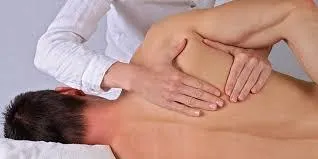
On one end of the spectrum, you have rehab that is all manual therapy—soft tissue work, joint mobilizations, dry needling—session after session with very little progression.
On the other end, you have exercise-only rehab, where athletes are pushed into loading and strength work before their body is truly prepared to handle it.
Both approaches miss the bigger picture.
As a former Major League Baseball physical therapist, I can tell you with confidence:
👉 The most effective rehab lives in the middle.
🎥 Watch the Related Video on YouTube
🎥 Watch the Full Breakdown on YouTube
Don’t miss the full explanation on how elite pitchers balance manual therapy and strength training throughout rehab.
▶️ Watch Now on YouTube:
Why “All Manual Therapy” Rehab Falls Short
Manual therapy ABSOLUTELY has value—especially early in the rehab process.
Techniques like:
Soft tissue work
Joint mobilizations
Fascial techniques
Dry needling
are effective at helping to reduce pain, restore range of motion, and calm down an overloaded nervous system.
But here’s the problem:
Pain relief alone does not rebuild tissue capacity.
If an athlete is months into rehab and still spending most of their sessions on the table with minimal loading, they’re not being prepared for the real demands of throwing, lifting, or competing.
Why “Exercise Only” Rehab Is Just as Risky
On the flip side, skipping foundational work and jumping straight into high-level loading is a recipe for setbacks—especially in pitchers.
I’ve seen athletes:
Fresh out of elbow surgery
Still dealing with swelling or limited range of motion
Already being told to bench, floor press, or lift heavy
That’s not progressive rehab—that’s poor timing.
Strength training is essential, but only when the body is ready to tolerate it.
How Elite Baseball Rehab Actually Works
In professional baseball, rehab is a sliding scale, not a rigid philosophy.
Early or highly flared-up phases → more manual therapy to calm symptoms and restore motion
As tolerance improves → loading becomes the priority
Later stages → strength, power, and sport-specific preparation dominate
Manual therapy often creates a window of opportunity—a short period where pain is reduced and movement improves—so that quality loading can happen safely and effectively.
That’s the balance most athletes never get.
Red Flags to Watch For in Your Rehab
🚩 You’re months into rehab and still mostly doing table work
🚩 You’re being pushed to lift heavy despite pain or limited motion
🚩 There’s no clear progression toward throwing or performance
🚩 Rehab feels disconnected from what your sport actually demands
If any of those sound familiar, it’s time to ask better questions.
🗓 Ready to Get Throw Pain-Free? Book Your Evaluation Today
If shoulder pain, elbow pain, or arm fatigue is holding you back, there’s a proven path forward.
👉 Book your evaluation here:
https://go.dptpreneur.com/widget/form/zt52az6nu2DnPG0S4SyG
📘 The Arm Pain Blueprint (FREE Download!)
Learn the proven rehab and strength framework we use to help pitchers return to throwing pain-free.
👉 https://app.dptpreneur.com/v2/preview/4J7IWRe36z3WAeFeGxmv
⚾ Pitcher’s Mechanical Blueprint (FREE GUIDE)
Break down the mechanical checkpoints that reduce arm stress and improve velocity.
👉 https://go.dptpreneur.com/widget/form/n11cl2tkQwwi9BfjnWpz
🎙 Listen to This Episode on The Lewis Physical Therapy & Sports Rehab Podcast
Catch the full breakdown of why elite rehab is not manual therapy or exercise—but the right blend of both at the right time.
🎧 Listen on Spotify:
https://open.spotify.com/show/4A6iBs0CzkAwSu9rUVPfGX?si=lrea2AaWQSy5USIT90KXhQ
