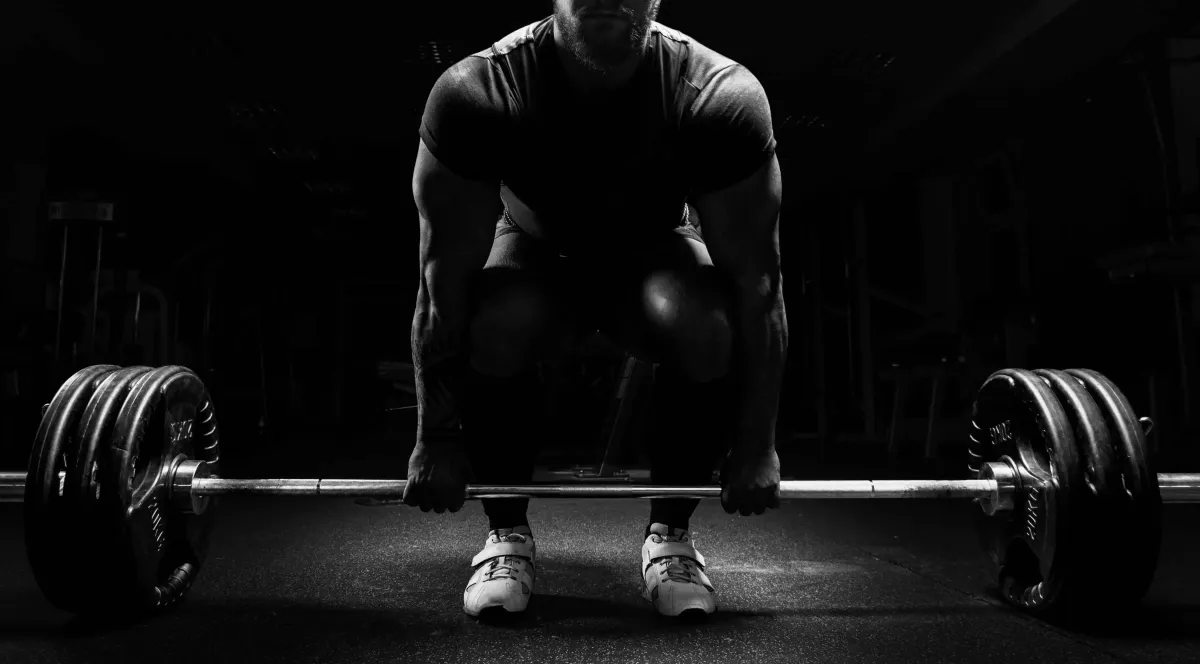
Stop Avoiding Deadlifts: How to Safely Return After Low Back Pain
Stop Avoiding Deadlifts: How to Safely Return After Low Back Pain - Lewis Physical Therapy & Sports Rehabilitation
If you’ve ever hurt your back deadlifting, you know exactly what happens next.
You rest.
You stretch.
You tell yourself you’ll “ease back into it.”
And then… you don’t.
Weeks turn into months. The bar feels intimidating. And every time you think about deadlifting again, you worry one wrong rep will flare your back up all over again.
At Lewis Physical Therapy & Sports Rehabilitation in Point Pleasant, NJ, this is one of the most common stories we hear from lifters. The issue isn’t that deadlifts are bad — it’s that most people never rebuild them the right way.
🎥 Watch: How We Get Lifters Back to Deadlifting After Back Pain
In this video, I walk you through the exact rehab progression we use to help lifters return to deadlifting confidently, safely, and pain-free — without guessing or fear of reinjury.
You’ll see:
Why deadlifting after back pain feels scary
How we reintroduce hip hinging with RDLs
Why landmine kickstand RDLs are a game-changer
How isometric rack pulls reduce pain and rebuild confidence
▶️ Watch on YouTube:
Why Avoiding Deadlifts Often Keeps Back Pain Around
After a back injury, most lifters fall into one of two traps:
They avoid deadlifts completely
They rush back too soon
Avoiding load altogether lowers your body’s tolerance to stress.
Rushing back overwhelms tissues that aren’t ready yet.
Both approaches keep pain lingering.
What actually works is graded exposure — progressively reintroducing deadlift-specific patterns and load in a controlled, intentional way.
Step 1: Rebuild the Hip Hinge with RDLs
The first step in returning to deadlifting is restoring a clean hip hinge pattern.
Romanian Deadlifts (RDLs) allow us to:
Load the glutes and hamstrings
Minimize excessive spinal motion
Control range of motion early in rehab
Key cues we focus on:
Slight knee bend (knees stay fixed)
Hips push straight back
Stop around mid-shin early on
Tension felt in the glutes and hamstrings — not the low back
Two common mistakes we correct immediately:
Straightening the knees (turns it into a hamstring stretch)
Squatting the movement down instead of hinging
When performed correctly, RDLs build the foundation needed to deadlift again safely.
Step 2: Why the Landmine Kickstand RDL Is a Game-Changer
Once tolerance improves, we often progress to a landmine kickstand RDL.
The landmine offers several advantages:
Increased stability compared to a barbell
A natural arc that encourages proper hinge mechanics
Allows higher loading without excessive stress on the back
The kickstand setup is key:
Outside leg is the working leg
Inside hand holds the bar
Back foot stays lightly on the toes for balance only
This variation bridges the gap between bilateral and single-leg loading, letting us challenge strength without balance becoming the limiting factor.
Step 3: Use Isometric Rack Pulls to Reduce Pain and Rebuild Confidence
One of the most effective tools we use early — and throughout rehab — is the isometric rack pull.
Isometrics allow lifters to:
Reintroduce deadlift-specific tension
Reduce pain sensitivity
Build confidence without movement
Early on, we may use:
3–4 sets of 30–45 second holds at lower intensity
As tolerance improves:
Shorter holds (20s → 10s → 5s)
Higher effort
More aggressive intent
The focus is always on driving through the feet and engaging the glutes and hamstrings — not pulling from the low back.
The Biggest Mistake Lifters Make
The biggest mistake isn’t deadlifting.
It’s guessing when and how to return.
If you’ve been avoiding the bar because you’re afraid of reinjury, that’s a sign you need structure — not more rest.
🗓 Ready to Train Without Pain? Book Your Evaluation Today
If low back pain is limiting your training or keeping you from lifting confidently, there’s a proven path forward.
👉 Book your evaluation here:
https://go.dptpreneur.com/widget/form/zt52az6nu2DnPG0S4SyG
🎙 Listen to This Topic on The Lewis Physical Therapy & Sports Rehab Podcast
Dive deeper into how we rebuild strength safely after injury.
🎧 Listen on Spotify:
https://open.spotify.com/show/4A6iBs0CzkAwSu9rUVPfGX?si=lrea2AaWQSy5USIT90KXhQ
