How Adults Can Navigate Training as a "Hybrid Athlete" for Long Term Success
How Adults Can Navigate Hybrid Training for Long Term Success - Lewis Physical Therapy & Sports Rehabilitation
What you’ll learn in this blog
What “hybrid athlete” training actually means
Why adults have a great risk for getting hurt trying to do it
How to safely build strength, speed, and power
The importance of progression and recovery
🎥 Watch the Video
Want to get back to training like an athlete without setbacks? This video breaks it down step-by-step.
Watch Now on Youtube:
The concept of the “hybrid athlete” has exploded in popularity—and for good reason. The idea of being strong, fast, and conditioned at the same time is appealing, especially for active adults who want to get back to the athletic background of their youth.
But here’s the reality: most people get excited about hybrid training and try to jump right into it all at once.
Sprinting. Plyometrics. Heavy lifting. High volume.
And that’s where injuries and burnout start to show up.
The (Potential) Problem With Hybrid Training
The biggest issue isn’t the concept—it’s the execution. Please note, I am a HUGE proponent of adults trying to incorporate athletic qualities into their training as we age. We just have to be smart about it for long-term success.
Most adults haven’t sprinted, jumped, or trained explosively in YEARS. Yet many jump right back into high-intensity work without rebuilding the foundation first.
This creates excessive stress on key structures, such as:
Hamstrings during sprinting
Joint & related structures (i.e. knee meniscus/cartilage) due to rapid increase in impact activities
Achilles and calf complex during acceleration
Joints and tendons during plyometrics or heavy lifting
Without proper preparation, these tissues simply aren’t ready to withstand these high forces and can quickly become overloaded.
The Right Way to Approach It
Hybrid training should be built progressively.
Start with:
General strength training (compound & accessory lifts)
Basic movement patterns
Low-intensity impact conditioning (i.e tempo runs, circuit training)
Higher-intensity non-impact conditioning (i.e. kettlebell circuits, barbell complexes, etc.)
From there, you can gradually layer in:
Extensive plyometrics/jumps (low intensity, rhythmic work)
Moderate to higher speed tempo runs --> Acceleration-based sprint work (short distances)
Heavier strength training in controlled rep ranges
One key note when programming for Hybrid Training is taking into account injury history. If an adult has a extensive history of hamstring strains, I'm likely going to slowplay their sprint work (if that is their goal to get to it anyway) MUCH longer then their lifting. They might spend weeks-months doing extensive plyos, mechanic drills and tempo work before we even start acceleration drills at longer distances.
Strength Training Matters More As You Age
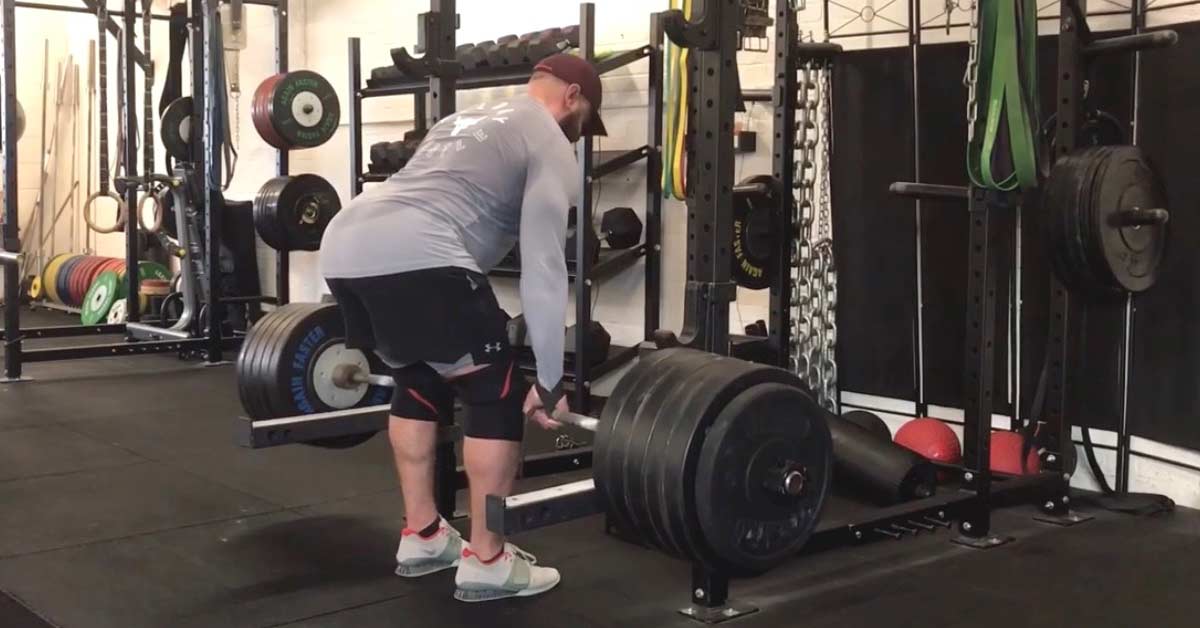
If there’s one thing you should prioritize—it’s strength.
Heavy lifting improves:
Muscle mass
Bone density
Metabolic health
Injury resilience
You don’t need to be taking 1-rep max attempts (truthfully, I dont think adults should be doing this unless you are competing). However, you can absoltuely gauge strength by doing AMRAPs (as many reps as possible) at a certain weight or routinely assessing a 3-rep max in compound lifts.
You Can’t Max Everything at Once
One of the biggest mistakes is trying to improve speed, power, and strength simultaneously at high levels.
Instead:
Focus on one primary goal
Maintain the others
Rotate emphasis over time
This leads to better progress and fewer injuries.
It All Depends on Your Goals
No desire to olympic lift, sprint or perform max effort jumps? Thats COMPLETELY okay and I'm not going to say you have to do these things. However, you can pick certain drills that train relatively similar qualities that have a lower risk for injury compared to those. There are always different ways to program a drill for certain qualities. Don't let the internet fooll you into thinking you HAVE to do certain exercises.
🗓 Ready to Get Out of Pain? Book Your Evaluation Today
👉 https://go.dptpreneur.com/widget/form/zt52az6nu2DnPG0S4SyG
Online Training Programs For Adults & Athletes:
https://www.trainerize.me/profile/lewisphysicaltherapyandsportsrehablitation/Jeff.LewisPTDPTATCCSCS/
🎙 Listen to This Episode on The Lewis Physical Therapy & Sports Rehab Podcast
Catch the full breakdown of how to structure hybrid training safely and effectively.
🎧 Listen on Spotify: https://open.spotify.com/show/4A6iBs0CzkAwSu9rUVPfGX?si=lrea2AaWQSy5USIT90KXhQ
Free Resources:
📘 The Arm Pain Blueprint (FREE Download!)
Text “Arm Pain” to 732-724-1381
⚾ Pitcher’s Mechanical Blueprint (FREE GUIDE)
👉 https://go.dptpreneur.com/widget/form/n11cl2tkQwwi9BfjnWpz
