How Improper Throwing Mechanics Can Increase Arm Stress in Pitchers
How Improper Throwing Mechanics Can Increase Arm Stress in Pitchers - Lewis Physical Therapy & Sports Rehabilitation
Pitchers returning from injury often hear the same cue: “Load your scap.”
But what does that actually mean — and why does it sometimes make things worse instead of better?
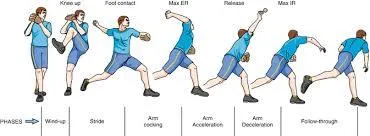
As a former Major League Baseball Physical Therapist, one of the most common patterns I see in injured throwers is excessive horizontal abduction during the throwing motion. This usually shows up when the front foot lands and the arm is positioned far behind the body, causing excessive stress on the anterior shoulder or (later in the throwing motion) along the medial elbow.
🎥 Watch the Full Breakdown on YouTube
Understanding how scapular positioning affects arm stress is critical during rehab and return to throwing.
Watch on YouTube here:
What Is Excessive Horizontal Abduction?
Excessive horizontal abduction occurs when the humerus (arm) is excessively behind the torso. Many athletes believe they’re “loading the scap,” but in reality they’re leading with the elbow instead of controlling the shoulder blade.
This position can create:
• Increased anterior shoulder stress
• Higher medial elbow load
• Timing issues that cause the arm to be late
• Early trunk rotation or “flying open”
Over time, these patterns can contribute to recurring shoulder or elbow symptoms — especially during a return-to-throwing program.
Why “Load Your Scap” Is Often Misunderstood
The phrase itself isn’t wrong — but how athletes interpret it can be.
Instead of controlled scapular positioning, many players aggressively pull the arm backward. This pushes the shoulder forward and places the elbow in a vulnerable position.
True scapular loading involves:
• Posterior tilt
• Controlled retraction
• Stability through the lower trap and surrounding musculature
That’s why I prefer to start with isometric drills before progressing into dynamic throwing work.
TRX Isometrics to Improve Scap Control
Two drills I often use include:
1️⃣ TRX T-Position Isometric
Focuses on lower trap engagement and shoulder blade positioning.
2️⃣ 90/90 External Rotation Isometric
Teaches athletes how to maintain scap stability in a more thrower-specific position.
While these exercises involve the rotator cuff, they are primarily about improving scapular awareness and control — not just strengthening the shoulder.
Progressing Into Thrower-Specific Movement
Once athletes understand how to control their scapula, we progress into stance break drills with a heavier ball.
This helps bridge the gap between rehab and throwing mechanics — allowing pitchers to maintain better positioning without over-cueing or overthinking their motion.
📅 Ready to Throw Pain-Free? (Arm Pain Blueprint CTA)
👉 https://app.dptpreneur.com/v2/preview/4J7IWRe36z3WAeFeGxmv
⚾ Pitcher’s Mechanical Blueprint (FREE GUIDE)
👉 https://go.dptpreneur.com/widget/form/n11cl2tkQwwi9BfjnWpz
🎙 Listen to This Episode on The Lewis Physical Therapy & Sports Rehab Podcast
Catch the full breakdown of scap loading, excessive horizontal abduction, and arm stress in pitchers.
🎧 Listen on Spotify: https://open.spotify.com/show/4A6iBs0CzkAwSu9rUVPfGX?si=lrea2AaWQSy5USIT90KXhQ
