Understanding Ulnar Nerve Issues in Baseball Pitchers
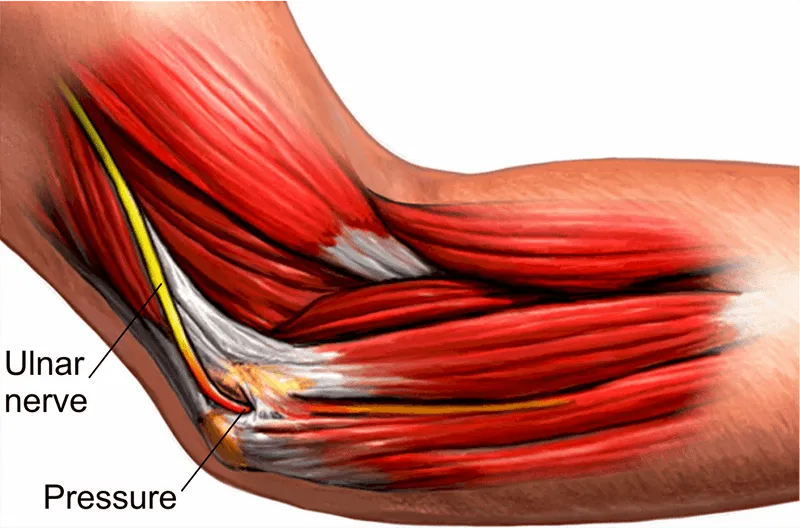
As a baseball pitcher, your arm endures intense stress, particularly during the throwing motion. One of the common issues pitchers experience is related to the ulnar nerve. This nerve runs from the neck down the arm, passing through the elbow, and is responsible for sensation (primarily ring and pinky finger) and muscle function in parts of the hand. When subjected to repetitive strain, like in the throwing motion, the ulnar nerve can become irritated, causing discomfort and even significant performance issues.
What is the Ulnar Nerve? The ulnar nerve is a major nerve in the arm that supplies sensation to the ring and pinky fingers and controls many small muscles in the hand. It passes through a narrow space at the elbow called the cubital tunnel. Due to the ulnar nerve’s location, it is vulnerable to injury, particularly in baseball pitchers who put their arms through extreme ranges of motion repeatedly.
Why Pitchers Develop Ulnar Nerve Issues Pitchers, especially during the layback phase of throwing (maximum external rotation), are subject to significant valgus forces at the elbow. This is when the elbow bends inward, causing the ulnar nerve to stretch or become compressed. Over time, this repeated stress can lead to inflammation, irritation, and in some cases, nerve instability.
The layback phase of throwing is essential for generating speed and force, but it places the elbow in a precarious position. As the arm rotates backward, the ulnar nerve can become overstretched. Pitchers who throw with high velocity or poor mechanics are particularly susceptible to developing ulnar nerve issues.
Signs and Symptoms of Ulnar Nerve Problems
Numbness or tingling: Typically felt in the ring and pinky fingers, this is one of the earliest signs of ulnar nerve irritation.
Cold sensitivity: The hand, especially the fingers, may feel cold or sensitive to changes in temperature.
"Snapping" sensation: Some athletes may experience a snapping or popping feeling in the elbow, indicating the nerve might be moving out of its groove and over the medial epicondyle.
Weakness: In more advanced cases, the athlete may struggle with grip strength or coordination in the affected hand.
Conservative vs. Surgical Treatment The good news is that many cases of ulnar nerve irritation can be managed with conservative treatments. Rest, physical therapy, and modifying throwing mechanics can help reduce the strain on the nerve. Stretching and strengthening exercises targeting the elbow and shoulder can also prevent further damage.
However, for pitchers with an unstable ulnar nerve or those who do not respond to conservative treatments, surgery may be required. Ulnar nerve decompression and transposition surgery is the most common procedure for these cases. This involves moving the ulnar nerve to a more stable position in front of the medial epicondyle, where it is less likely to be compressed or irritated during throwing motions. Recovery from surgery can take an average of 6 months and proper rehab to pitching at a high level.
Conclusion Understanding and addressing ulnar nerve issues is crucial for the longevity of a pitcher’s career. Early recognition of symptoms and proper treatment can prevent long-term damage and keep pitchers on the mound. If you're a baseball pitcher experiencing elbow discomfort or symptoms related to the ulnar nerve, seeking professional help is essential to prevent further injury.
⚾ Ready to Train Smarter?
If you're serious about improving your speed, our 10-week Triple Threat: Strength & Speed System is designed to get you faster, more explosive, and dominate on the basepaths.
👉 Learn more: Triple Threat Program
📩 Want to throw harder and stay pain-free?
Text “Arm Pain” to get your FREE copy of The Arm Pain Blueprint and learn how to build velocity and durability.
